
International Heritage Centre blog
We can if we will: The Salvation Army in Korea
We can if we will: The Salvation Army in Korea
Over the 20th century the Korean peninsula was subjected to harsh colonial rule and the devastation and division of the Korean War. It is from this experience that the Korean cultural and emotional concept of Han (한) originates, expressing a sense of collective sorrow, resentment, or grief. In this context, the International Heritage Centre's collection on the rise, decline, and renewal of The Salvation Army in Korea offers insights into its capacity for pioneering work in the face of adversity.
Opening fire
The origin of The Salvation Army in Korea is closely linked to its operations in Japan. Since the end of the First Sino-Japanese War in 1895 Japan had cemented its influence over Korea, and with the conclusion of the Russo-Japanese War in 1905 declared Korea to be a protectorate, later fully annexing the peninsula in 1910. Amidst this period of colonisation, William Booth visited Japan in 1907. Approached by a Korean delegation, he tasked Commissioner George Scott Railton with surveying the land. In 1908, The Salvation Army opened fire in Korea, appointing Colonel Robert Hoggard as the first Territorial Commander.
Accounts of the early years of The Salvation Army in Korea highlight the difficulties faced by the officers, with numerous accounts of those called to Glory through typhus and smallpox, and record of a £5 donation made in 1924 by Florence Booth to alleviate the condition of their children. Furthermore, The Salvation Army was an unfamiliar organisation lacking Korean translators, and in his 1951 account Charles Sylvester writes that at Colonel Hoggard’s first address, interpreters translated what they thought he ought to have said, making sweeping promises, including that of colonial liberation.
"This ‘Save-the world-army’ had come to rescue them from the encroachment of a neighbouring nation, and that guns, uniform and salaries would be given to all who joined up!"
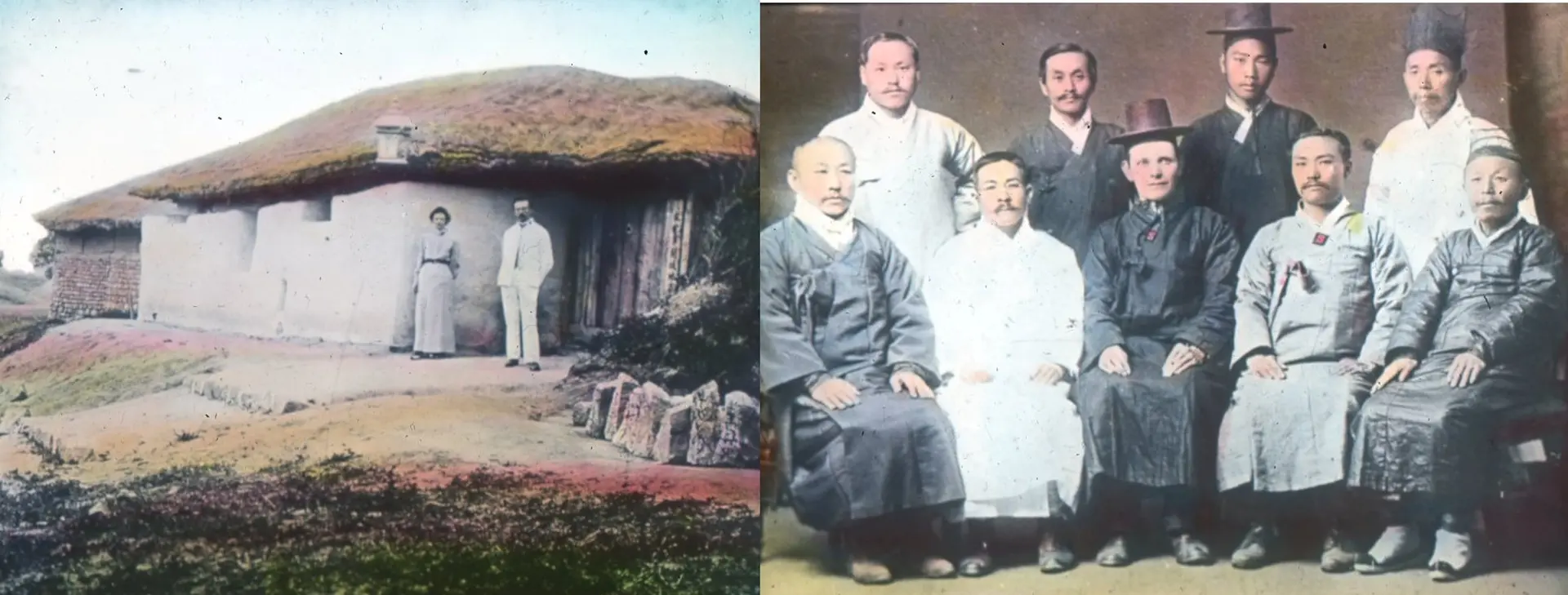
Despite these early difficulties, Salvation Army work in Korea proceeded, and in 1926 the territory was visited by General Bramwell Booth. Later, in 1934, the Chief of the Staff would launch a Congress Campaign across the Korea territory. The results of this campaign were recorded in a typescript.
"The campaign in the territory resulted in 1206 souls for salvation and hundreds for consecration. The various congregations were approximately 23000. Praise God."
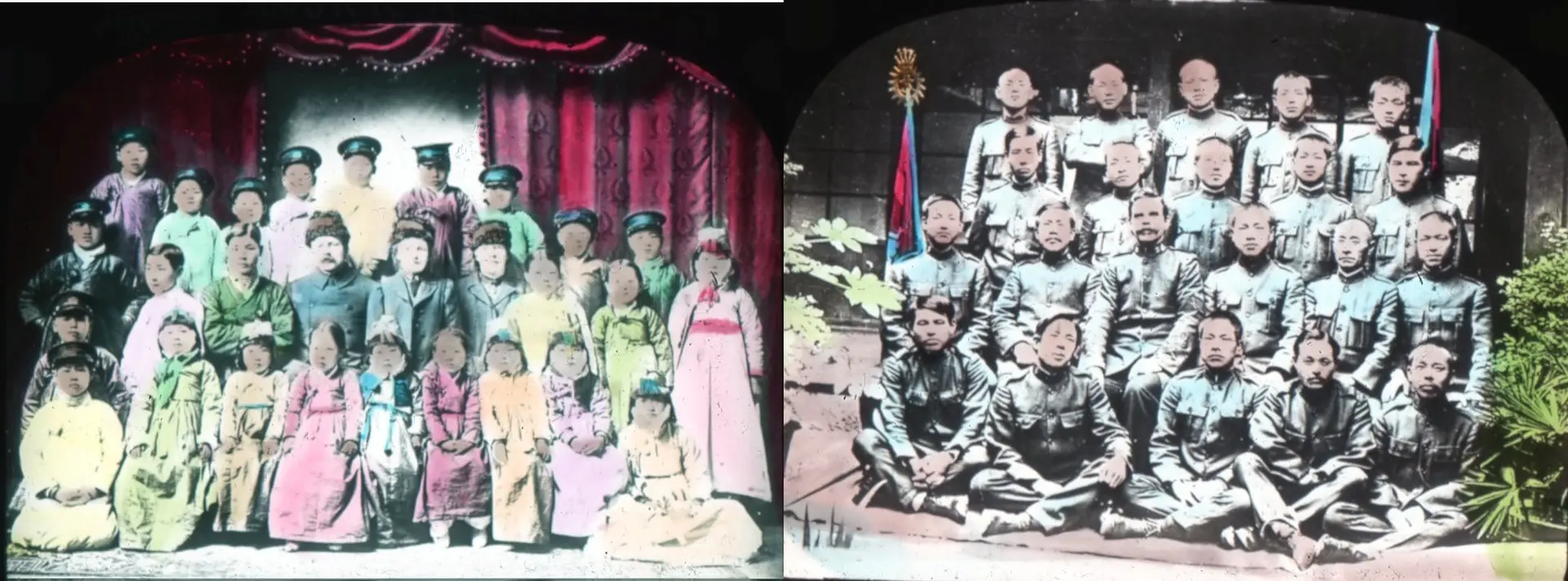
The Salvation Army’s early work in Korea was only possible with the permission of the Japanese colonial authorities. Visits arranged by William and Bramwell Booth were granted through the Japanese government, and in the 1934 Congress Campaign, courtesy calls were made to the governor-general, Kazushige Ugaki. Despite this, various Salvationist sources demonstrate an acute awareness of the harshness of the colonial regime. In his diaries Commissioner Charles Jeffries described it as a Prussian system of governance under a military governor and provided the following account in 1917.
"When a Korean commits a minor offence, the police do not bother to take him before a magistrate, but drag him into their box, belabour him with the sword scabbards, the Korean meekly submitting to the chastisement, glad to escape with no worse punishment."
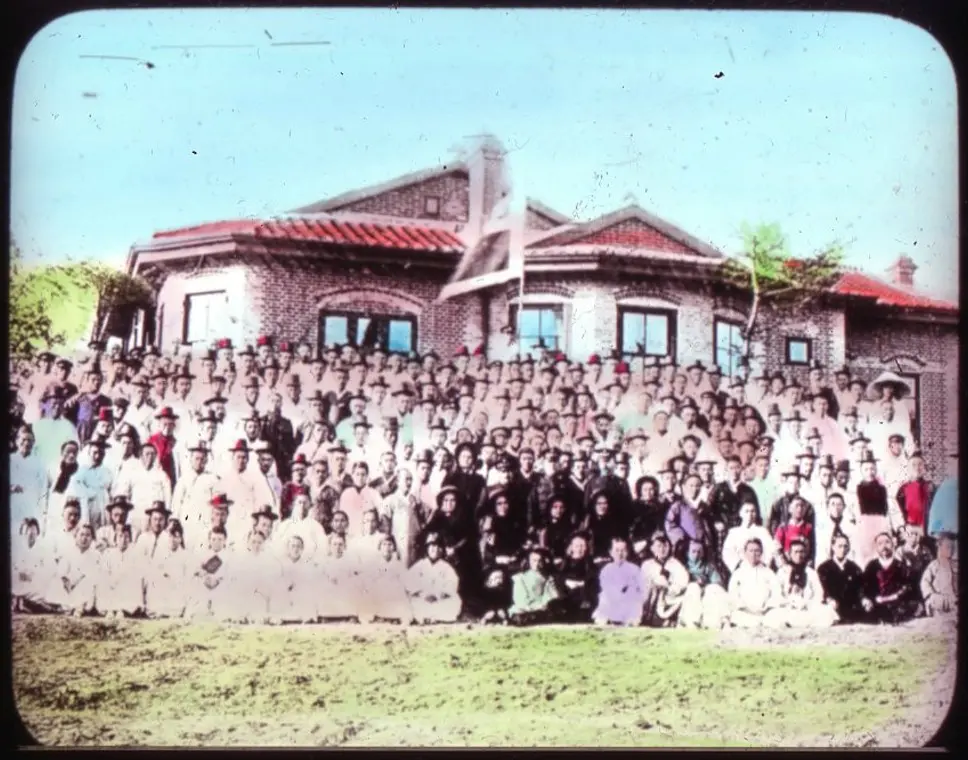
A problem bristling with explosive fuses
The Salvation Army in Korea saw its first major setback with the outbreak of the Second Sino-Japanese War in 1937, and Japan’s entry into WW2 in 1941, which forced the withdrawal of overseas officers and the isolation of Korean Salvationists. In areas under Japanese occupation during WW2, The Salvation Army was forcibly renamed the Salvation Association or Salvation Party. With the end of the war, The Salvation Army renewed its efforts in Korea, and Lieutenant-Commissioner Herbert Lord, who had served in Korea from 1910-1934 and been interned by the Japanese in Singapore from 1941-1945, was appointed Territorial Commander for Korea in 1947. Herbert Lord came to a territory split into two areas of occupation along the 38th parallel, operating from the American zone in the south, whilst the north was occupied by the Soviet Union. This occupation made it difficult to send money to the territory, created a prohibitive official exchange rate, and resulted in a refugee crisis. Brigadier Charles Davidson, another survivor of Japanese internment, reported on the cost of reconstructing the territory in 1946.
"Proposed maintenance grants from the US to cover assistance for officers, rebuilding halls, refurnishing and repairing two HQs and training colleges, and rebuilding and refurnishing 3 hospitals across Japan and Korea. Total cost $360,000."
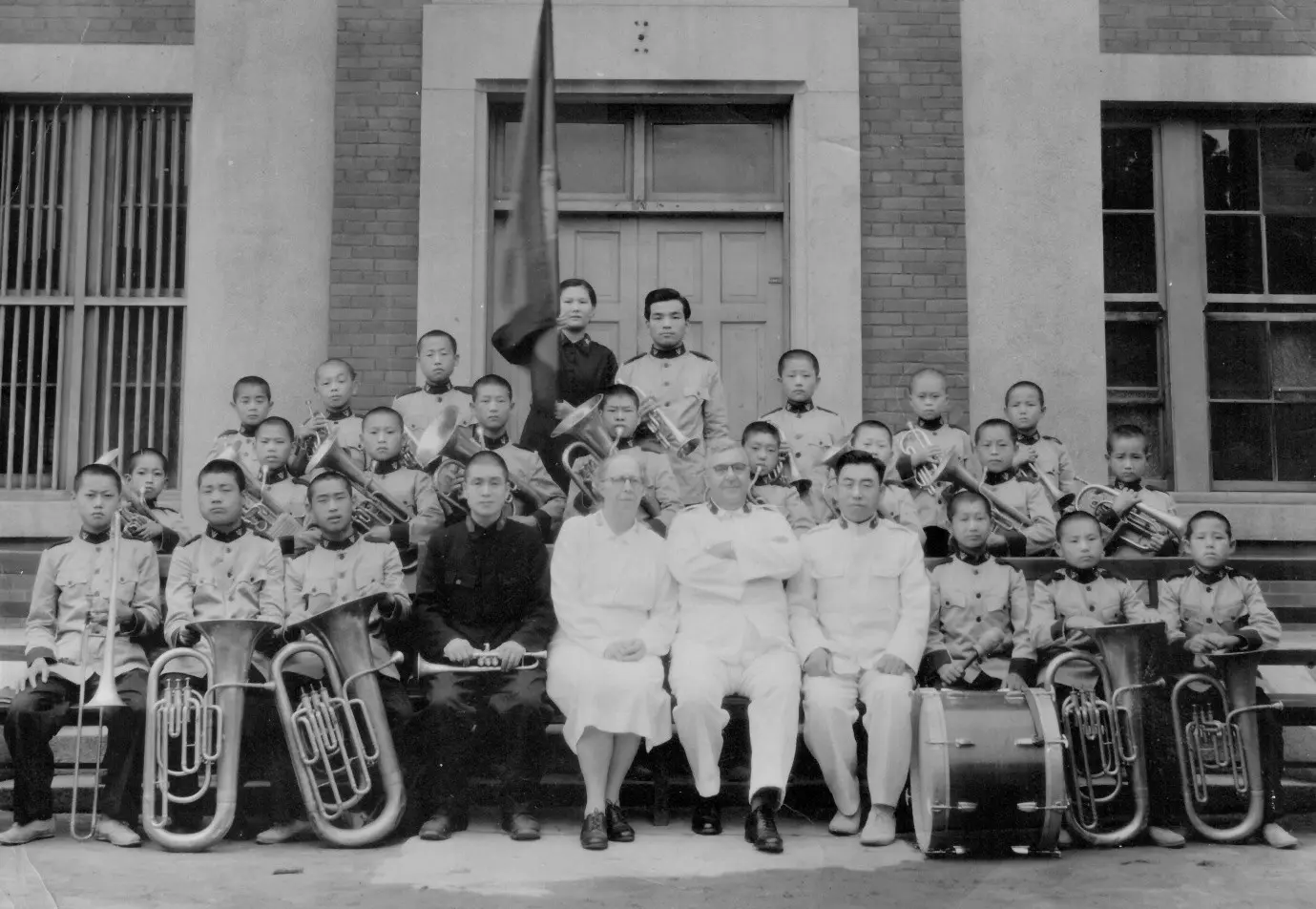
Beyond the political situation, The Salvation Army also faced issues of reputation and identity, exacerbated by its relative youth and forced decline during WW2. Commissioner Peter Chang summarises several issues raised before the war.
"In summary the grievances were about a lack of understanding of the language, culture and local customs by overseas officers, a lack of integration between Koreans and missionary personnel, and a lack of a policy towards strategic growth and the development of Korean leadership."
One issue in the years surrounding the wars was that of the uniform. On the one hand, Herbert Lord wrote that Koreans questioned why The Salvation Army, with its international reputation, did not provide chaplains or welfare workers to the occupying forces. In response to this, Lord wrote to Colonel Culshaw at International Headquarters seeking to have American Salvationists appointed to the occupying forces as a link for The Salvation Army to operate through. On the other hand, use of the militaristic uniform of The Salvation Army would decline in Korea through the interwar years. Herbert Lord gave his explanation for this on his arrival at the territory in 1947.
"The Korean never took kindly to some Salvation Army ways – the uniform and regimentation of marching and deportment, for instance – always he thought this was a western innovation… The result of the break has been that uniform has almost entirely ceased. The Chief Secretary will come to the office in a very nice lounge suit, and collar and tie and an S.A. badge, without any apology."
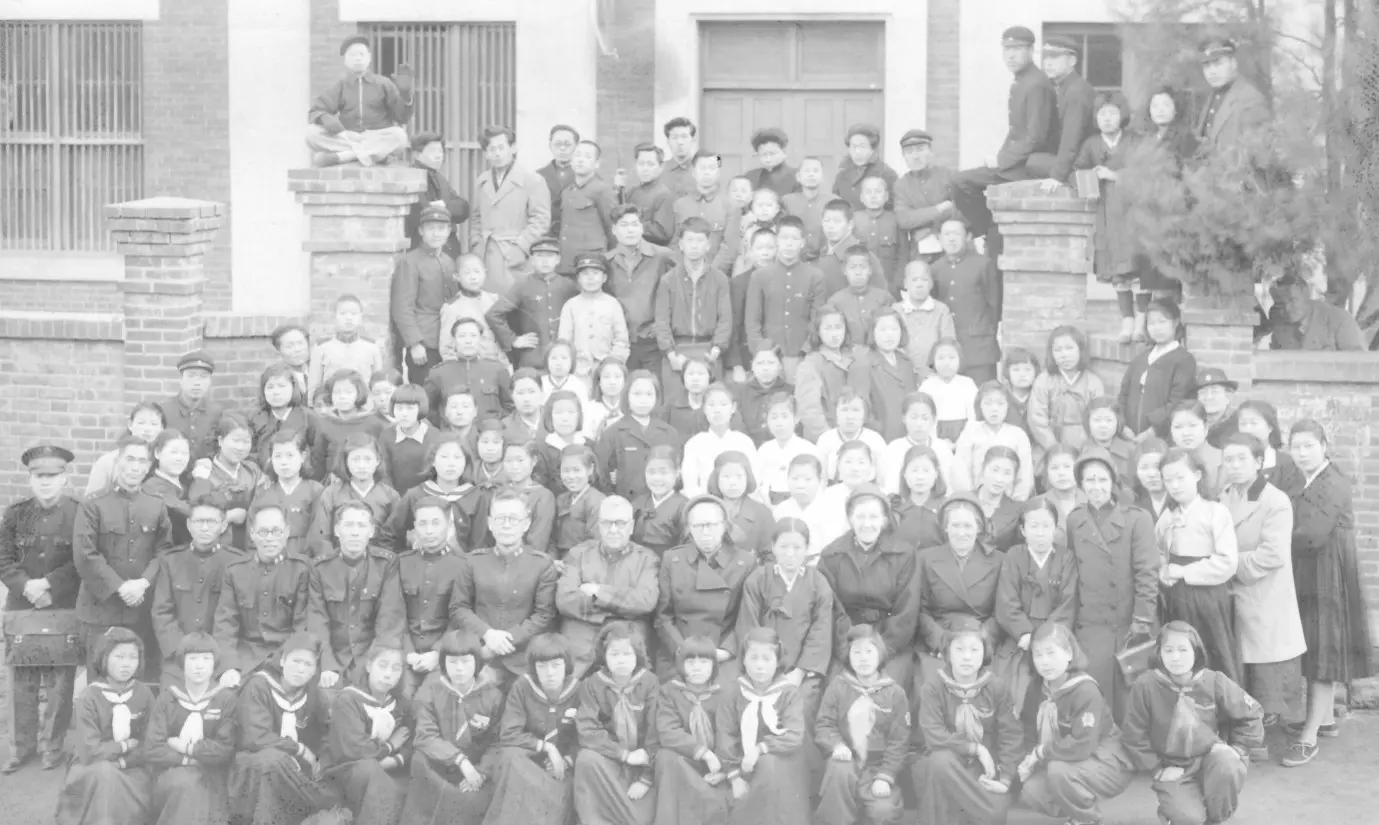
Ultimately, issues of unform, tradition, and public perception would fade in the face of the imminent threat of further conflict. In his conversations with Colonel Culshaw in the UK, Herbert Lord demonstrates an acute awareness of the perils of their situation.
"Each episode of a day is a problem bristling with explosive fuses. Apart from certain clear cut basic principles and a daily renewed assurance of divine guidance, no routine approach to any problem can be attempted."
Lord would write frankly of the likelihood of war.
"For your own information, which I would like you to pass on to the Chief verbally, I am very disturbed at the official American attitude to world affairs. The atmosphere is pregnant with immediate danger. High ranking officers talk freely as though war, and immediate war, were the only possible means of solution to the present extreme viewpoints of the USA and Russia. The whole position is frankly disturbing."
Ultimately, the worst would come to pass, as in June 1950 North Korea attacked South Korea, beginning the three-year long Korean War. At the time there were 118 Corps in Korea, though the 77 located in North Korea would be lost permanently. The war would expand to involve the United Nations and China, claiming millions of lives, including those of many Salvationists. Though many Salvationists were evacuated by the United Nations, Herbert Lord would choose to remain in Seoul. Perhaps apocryphally, he is claimed to have commented:
"Well, it is beginning to be the fashion for me to be interned."
We can if we will
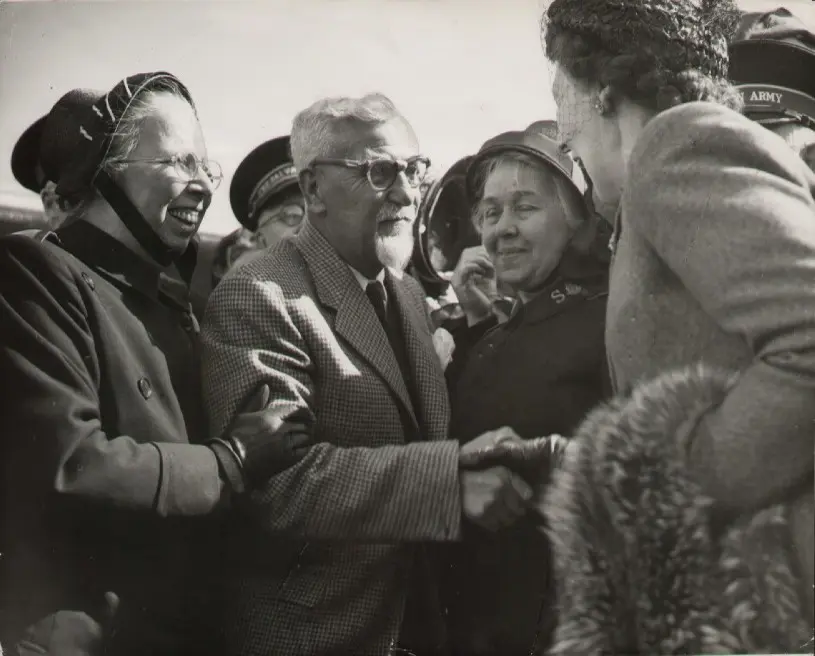
The end of the Korean War in 1953 would allow The Salvation Army in Korea to regroup. Lieutenant-Commissioner Lord would be released from internment and welcomed home, along with other officers. Though The Salvation Army had been reduced to 41 corps in South Korea, it would continue to grow gradually alongside the increasing adoption of Christianity, reaching 100 corps by 1976. Over the same period Major Leonard Grinsted records that the number of Protestant churches rose from 5,300 in 1960 to 9,600 in 1970.
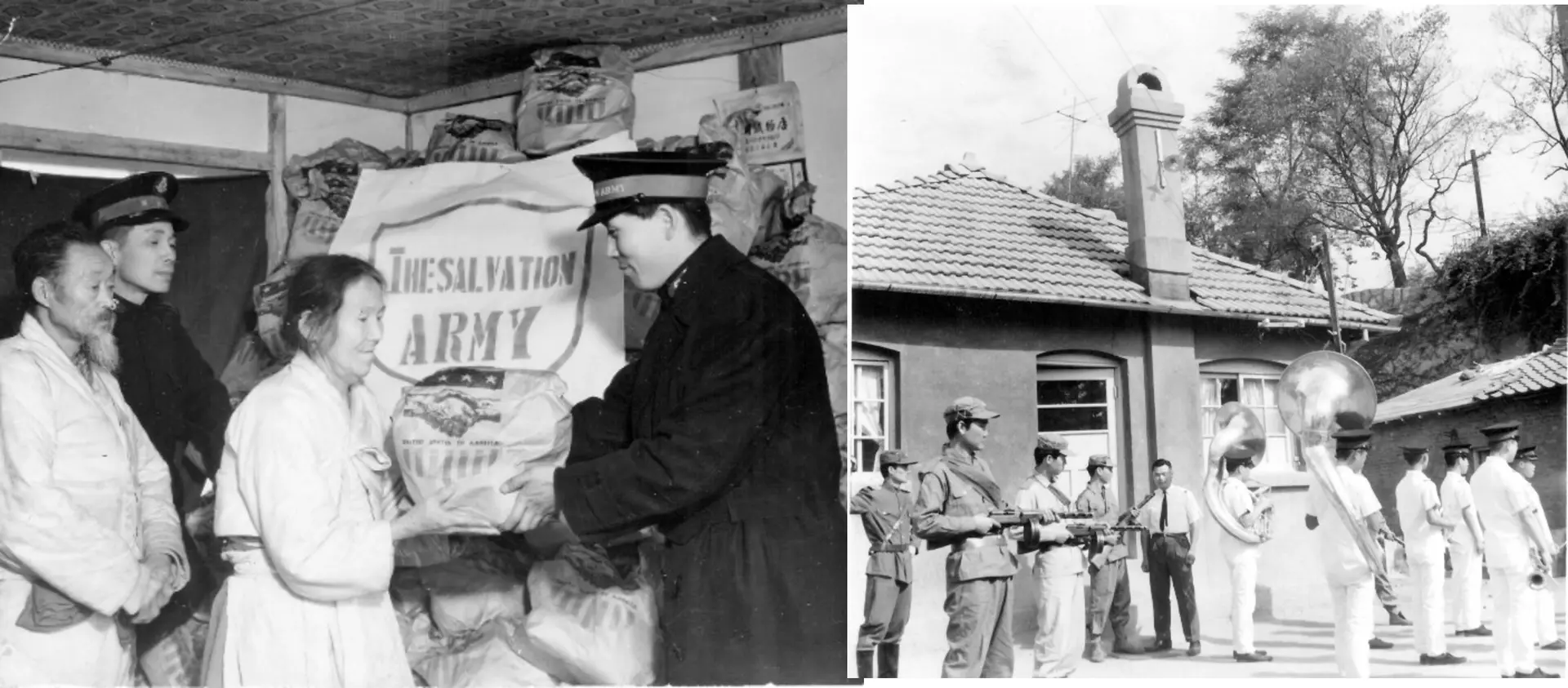
In 1976, The Salvation Army in Korea began addressing one of its earliest complaints around a lack of policy towards strategic growth. The National Strategy and Growth Council was formed, and at its first session a goal was set of 200 additional corps, 100,000 senior soldiers, and 250,000 unduplicated memberships by the start of the new millennium, requiring 7% annual growth on average. This first session is characterised as embodying the spirit of ‘We can if we will’.
A second and third strategic council were held in 1978 and 1981 respectively. At the second it was reported that 25 new corps had been established, including extension to two islands off the west coast, for which a mission boat was purchased in what was likely the first attempt at a Salvation Navy in South Korea. By 1981 there were 165 corps, hitting the targets set for 1983. Whilst the goals set for the new millennium would not be met, The Salvation Army would continue to grow, and by 2016 had 256 corps, as well as establishing new branches in Mongolia and Cambodia, and ministering to the Korean diaspora.
Following on from repeated periods of extreme hardship, The Salvation Army Korea Territory offers a remarkable example of recovery. In the report on these strategy councils, five reasons were offered for this newfound growth.
- Revolving Fund – New openings were funded through a revolving loan from International Headquarters.
- Self-Support – The Salvation Army opened an office in downtown Seoul, became debt-free after relying heavily on loans in the aftermath of the wars, and created a nuclear support system for new corps. Non-self-supporting corps were linked with self-supporting corps, to declare self-sufficiency on a group basis. This was ideally a geographical group, but typically meant richer Seoul-based corps supported others across the territory.
- Social Work – The Salvation Army continued to live by William Booth’s message of ‘soup, soap, and salvation’, ministering to the whole man.
- Personnel – College facilities were expanded to allow for a greater number of cadets.
- Internal and Substantive Growth – In order not to lose the Salvation Army identity, a focus on providing printed materials, training seminars, and growth institutes at a local level was pursued, with regular reporting on growth patterns. Education and music departments were commenced locally to focus on the territory’s needs.
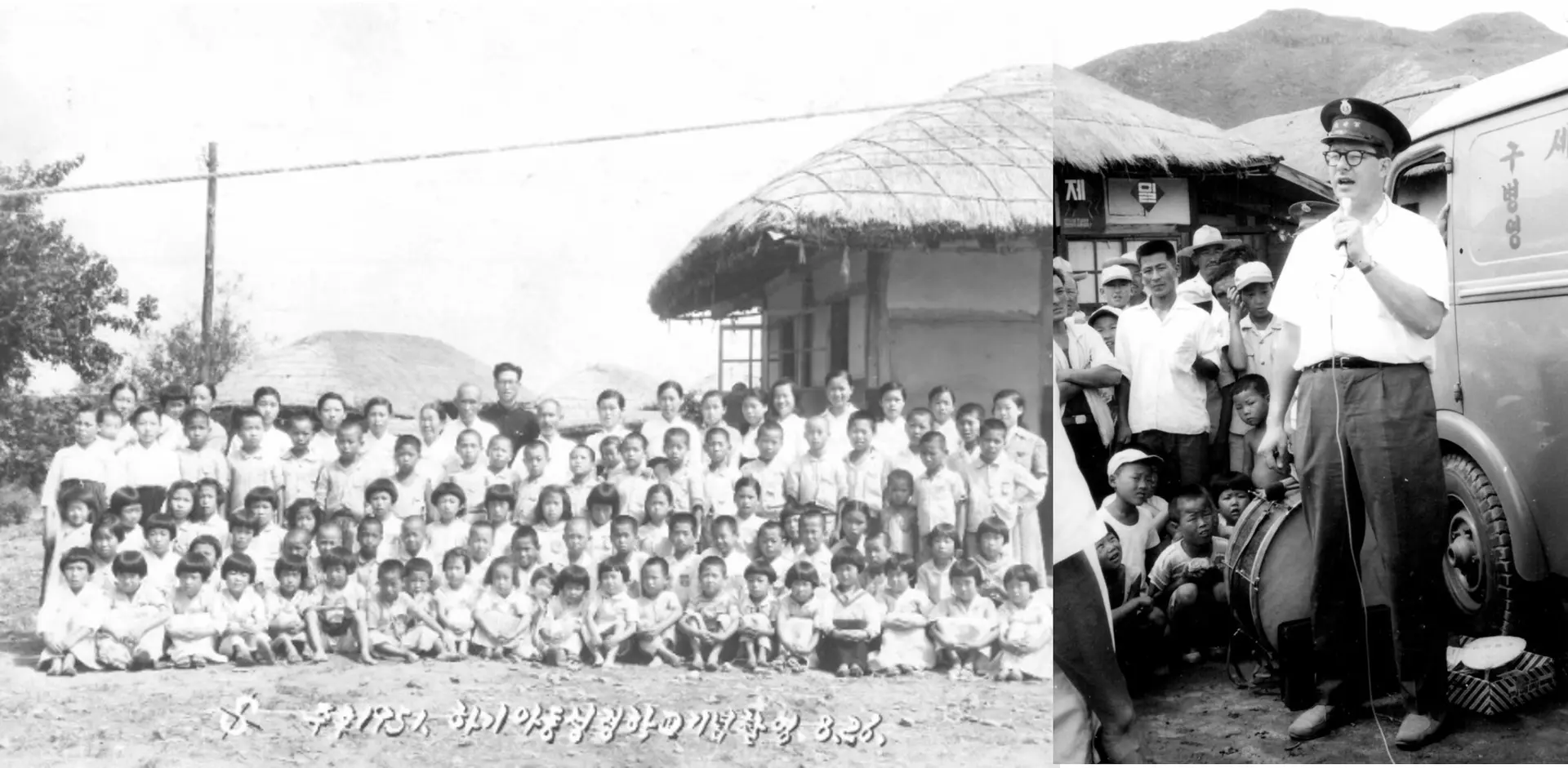
Of these five provided reasons, the subject of self-sufficiency is worth interrogating as it speaks to the context of a changing South Korea and how growth of The Salvation Army is subject to its environment. The 1981 relocation of the territory’s headquarters to a Salvation Army office in Seoul is symbolic of this change. In February 1982 in 'The Officer' magazine, Major Leonard Grinstead recorded that at the close of the 60s the GNP per capita showed a 200 percent rise from US$80 in 1960 to $243 in 1970 and went on to achieve $1,503 by 1980. In tandem, the number of Protestant churches rose from 5,300 in 1960 to 9,600 in 1970. The Salvation Army benefitted from this proliferation of Christianity, as well as from the continuation of postwar compulsory service.
"A large proportion of military personnel were attracted to Christian services; many being won for Christ. Similar attendances occurred in prisons."
As South Korea’s government administrations increasingly looked towards self-sufficiency, The Salvation Army territory likewise looked to wean itself from overseas aid. However, this could not be achieved through appeals as these were allowed by the government only at Christmas, when all money collected had to be spent immediately on relief work. The annual Christmas Kettle Appeal leaped from US$5,000 in 1973 to US$110,000 in 1981, but this would not aid the sustainability of the territory. An idea to create a nine-story office building in Seoul was conceived by Peter Chang to be funded through loans from local banks, International Headquarters and tenants’ deposits. Financial Secretary, Captain Peter Wood, recorded some trepidation at this prospect:
"Could we balance the urgent against the essential? Negotiation of contracts? Was I really called by God to negotiate contracts?"
Despite these doubts, amidst the rapid rise of South Korea’s economy the project would prove successful. Upon completion in 1973 the building was fully occupied with tenants including a government bank, the Korean Shell Oil Company, the Australian Embassy and the American Korean Foundation. By 1977 all loans were paid off, and by 1980 the fund for repayment of tenant’s deposits was intact. Finally in 1981, having delayed gratification, Commissioner Denis Hunter was able to install the new Salvation Army Korea THQ in this building.
The progress of The Salvation Army in Korea demonstrates both commitment to its mission throughout the hardships of the early 20th century, but also a dependence on favourable social and economic factors for growth and self-sustainability in the later 20th century. By 2016 it was recorded that The Salvation Army in Korea had 256 Corps, 650 officers, ministers to the Korean diaspora, and much as the territory had taken a nuclear approach to structure and funding, it now has enabled expansion into Cambodia and Mongolia.
Thomas
August 2026
Read other blogs from the Heritage Centre
Imprisoned: three Salvationist internees during World War Two
Read some of the stories and experiences of three women officers who were held in internment camps...
H Rider Haggard and The Salvation Army
Henry Rider Haggard was famous for writing popular adventure stories but also had a long-lasting relationship with The Salvation Army
Guest blog: Black History Month 2025
This month our guest blog by Winette Field looks at the origins of Black History Month and some of the complexities of historical research
Richard Slater: The Army's ‘Song Writer Number One’
Our latest guest blog by Dr Gordon Cox is an introduction to Slater and his songs.