
International Heritage Centre blog
Imprisoned: three Salvationist internees during World War Two
Imprisoned: three Salvationist internees during World War Two
During the Second World War, 15 Salvation Army officers died because of internment, as well as many Salvationists being held prisoner in internment camps across the world. This blog tells some of the stories and experiences of three women officers who were interned.
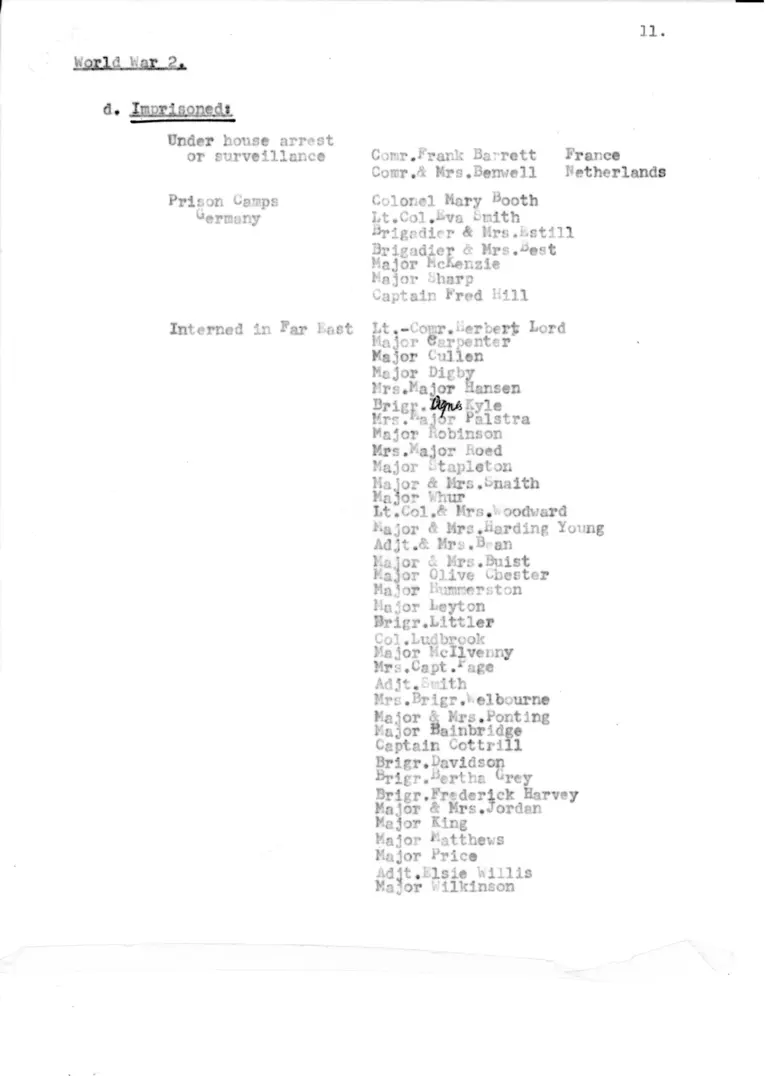
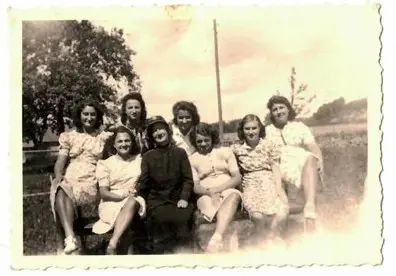
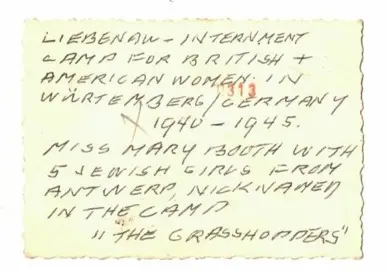
Colonel Mary Booth, Liebenau
(German Internment Camp, Germany)
“The Gestapo men said disgustedly: “Ach, the Salvation Army’s coming!”
One notable person interned was Mary Booth, daughter of General Bramwell Booth and Florence Booth.
Mary Booth was captured by the Nazis in France in May 1940. Suspected to be a spy, Mary was interrogated by the Gestapo. She was sent to Peterhausen Camp for Civilian Internees but by the autumn was moved to Liebenau (see Foreign News: Colonel Booth's Prison Years).
Liebenau Camp was used as an assembly point and internment camp particularly for women of ‘enemy-countries’ and those who were being considered for exchange. She was held there for two years. She was ultimately released as part of an exchange.
Our records do not document the extent of Mary’s experience at Liebenau internment camp, but she was fortunate to be released early because what we do know from further research is that in the final phase of the war, Hungarian Jewish Forced Labourers were marched through Liebenau camp towards Mauthausen Concentration Camp. At least 35 people were murdered there during this time.
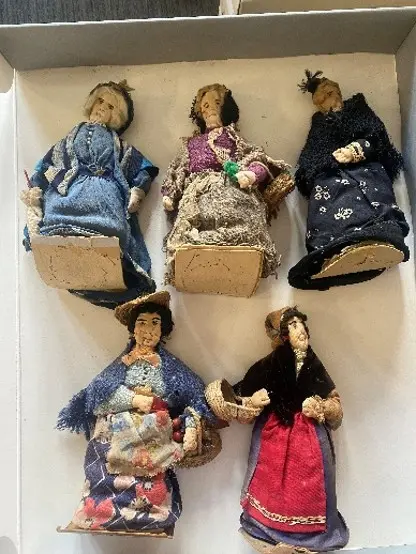
Major Margaret Burns, Changi
(Japanese Prisoner of War Camp, Singapore)
"Some of the Gestapo went into the operating room, and killed the doctors, the nurses and the patient who was being operated on"
This quote comes from a handwritten account by Major Margaret Burns held at the Salvation Army’s Canadian archives in Toronto. A digital copy has been made available through Cambridge University Digital Library's Voices of Civilian Internment website.
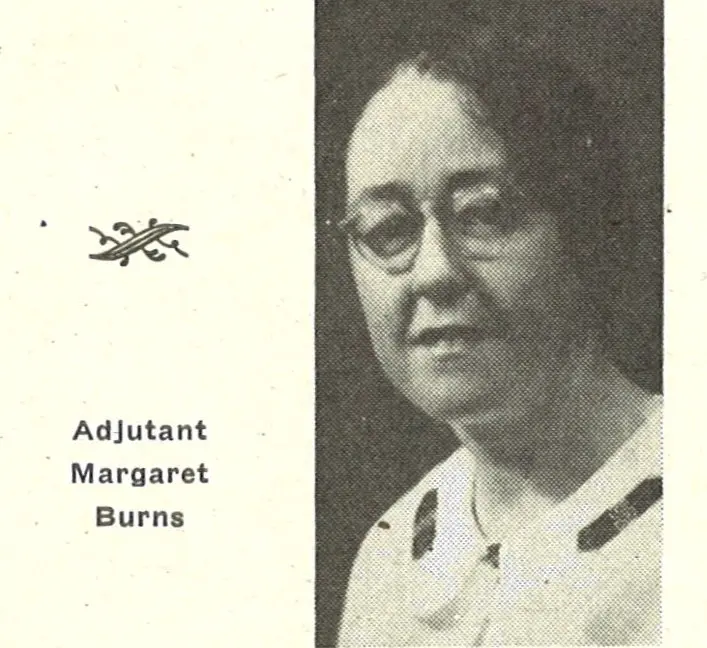
Margaret Burns was a Canadian Salvation Army officer serving in Singapore at the time of her internment in the Japanese internment camp, Changi. Her account details the horrors and mistreatment she faced during her time at Changi. In it, she describes how all Europeans were marched down by the sea and lined up alphabetically. She describes how she witnessed Japanese soldiers abusing the men and seeing men, women and children lying dead on the floor.
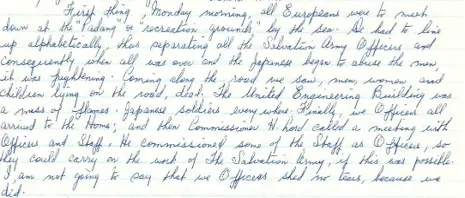
During her time at Changi, Margaret sustained an injury to her spine due to falling down the stairs. She details how she did not receive the correct medical care. For some time, she was given no medication for her pain until she was eventually taken down to the ‘hospital’ which, she writes, was in the dungeon of the prison. She was told she would rest and recover there for a month; the reality was, she was there for three years. Many times, she was taken from the camp to the hospital for x-rays and was eventually put into a cast from her waist to her neck. When she arrived back at the camp, she was informed she would no longer stay at the hospital and would have to fend for herself in the camp, which resulted in her collapsing in the latrine. This subsequently led to Margaret being hospitalised again.
‘A Terrifying Experience in the Camp’
Margaret recalls the ‘Gestapo’ (Margaret uses the name Gestapo to describe Prison Guards, Soldiers or Police) calling for all single women to appear before them alphabetically. She was interrogated about her Salvation Army uniform by soldiers with bayonets and was informed there was no other army but the Singaporean Army. After this, she was asked if she would go out and work for them to which she fiercely declined. She later discovered the work they intended her to do was prostitution.
Major Mary Layton, Weixian
(Japanese Internment Camp, Shandong, China)
"After two years and eight months internment we are free to write to our friends once more"
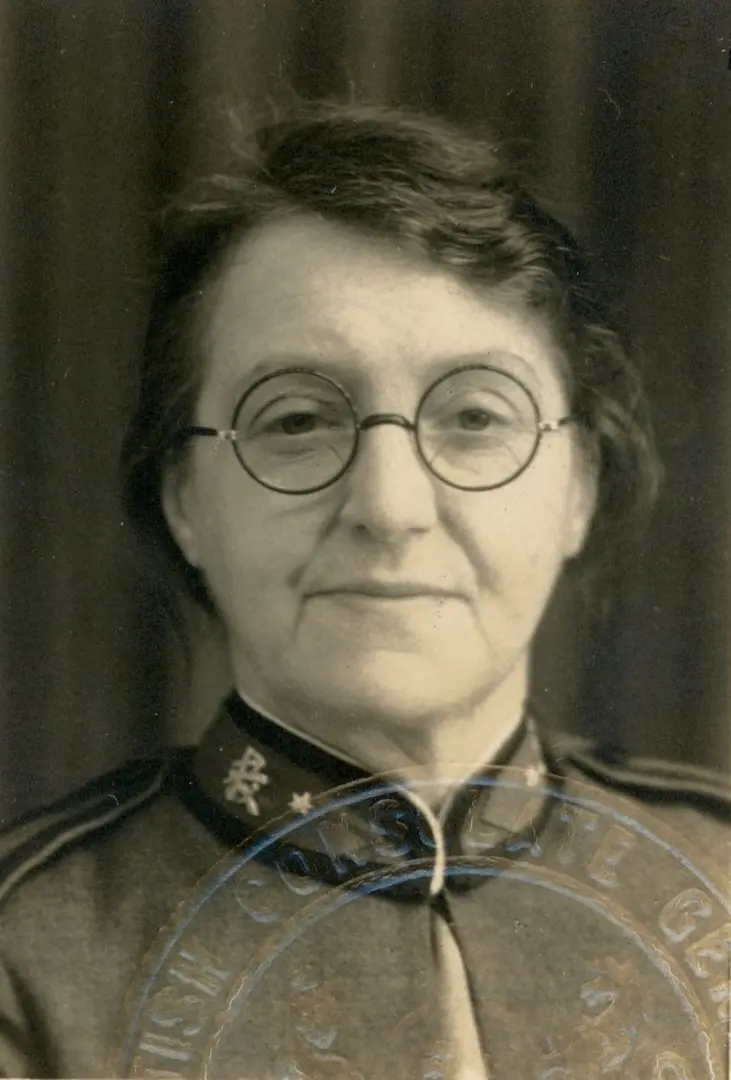
Mary Layton entered training for officership from Hants Harbour, Canada in 1927. She worked at The Mother's Hospital in London before being appointed to China in 1931.
Mary Layton was interned at Weixian Internment Camp, Shandon, China, a Japanese run internment camp. She was taken from Peking to Weixian. A letter in our archives contains her testimony in which she describes sleeping in classrooms on beds raised up by bricks to leave room for baggage. She explains that prisoners were each numbered and expected to always wear their numbers. Mary writes fondly of how refreshing and inspiring it was to have religious freedom in the camp and that in the assembly hall there were services of all denominations throughout the day.
Chloe-Jayne
June 2026
Read other blogs from the Heritage Centre
Voices of civilian internment: Salvation Army archives on Cambridge Digital Library
This August saw the launch of 'Voices of civilian internment: WWII Singapore', a new collection of digitised archive material...
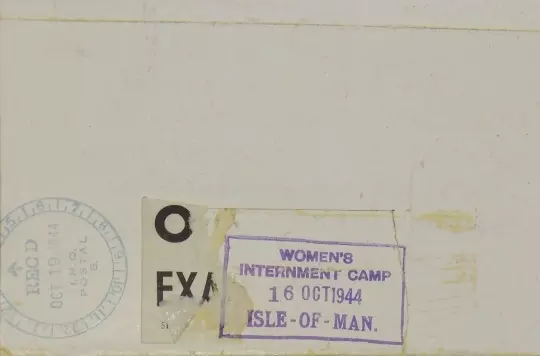
‘…behind the barbed wires’: internment on the Isle of Man
Explore the letters of officers Lieutenant-Colonel Walter and Esther Busse, interned as 'Enemy Aliens' for over five years during the Second World War...
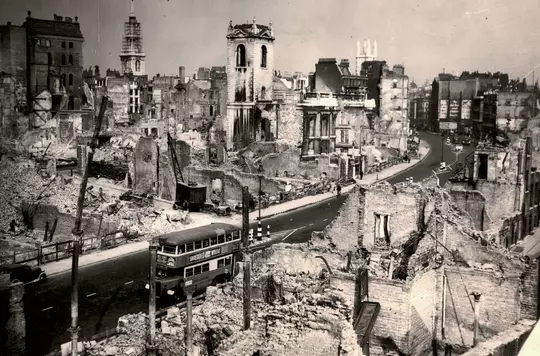
General Wickberg’s Second World War Papers
The papers of General Wickberg are a goldmine of personal stories about the impact of war...
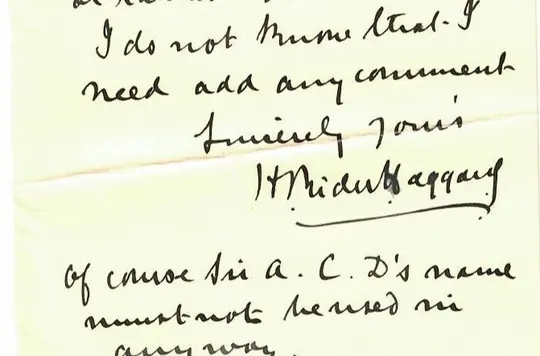
H Rider Haggard and The Salvation Army
Henry Rider Haggard was famous for writing popular adventure stories but also had a long-lasting relationship with The Salvation Army