International Heritage Centre blog
H Rider Haggard and The Salvation Army
H Rider Haggard and The Salvation Army
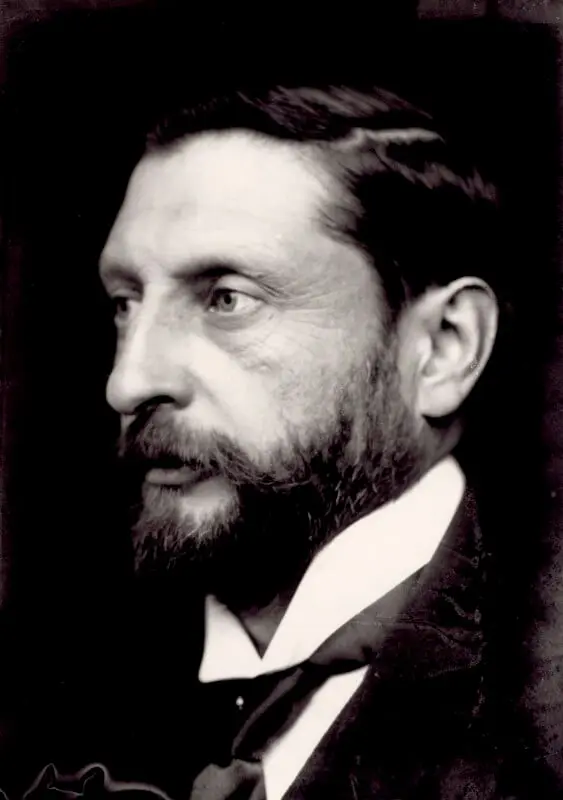
Victorian author and reformist, Henry Rider Haggard, was famous for writing popular colonial adventure stories, such as 'King Solomon’s Mines'. What is less well known, however, was Haggard’s long-lasting relationship with The Salvation Army.
He was first commissioned by Prime Minister Arthur Balfour’s government to study and examine The Salvation Army’s land colonies in the United States of America in 1905. This led to the 'Report on the Salvation Army Colonies in the USA and at Hadleigh', written in the same year.
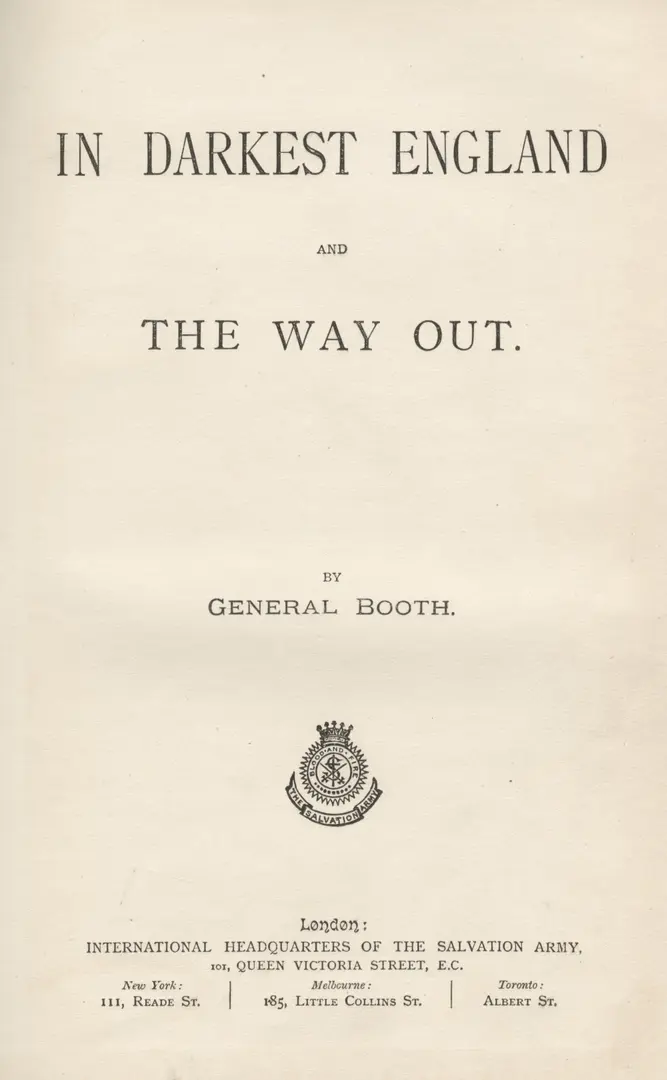
By the late nineteenth century, Britain was faced with the challenges of rapid industrialisation - poverty, unemployment, overcrowding, and social dislocation. In 1890, 'In Darkest England and the Way Out' was published by General William Booth, outlining his plan for social reform. This included rescue homes, farm colonies and homeless shelters, among many more ideas.
Haggard was inspired to write further on the Army’s social work after being appointed as a British Government Commissioner to investigate and report upon the land colonies of The Salvation Army in the United States. In 1906, he contributed to The Salvation Army's annual social work report 'Sketches of The Salvation Army Social Work', and his new book, 'Regeneration: being an Account of the Social Work of the Salvation Army in the United Kingdom' (1910) was dedicated to “the Officers and Soldiers of the Salvation Army, in token of my admiration of the self-sacrificing work by which it is their privilege to aid the poor and wretched throughout the world.”
In 'Regeneration', Haggard examined not only Army land colonies, but maternity hospitals, shelters and children’s homes. Upon his visit to the Men’s Social Work in Scotland, Haggard relates the following:
“After the Officer who used to consume four bottles of whisky a day, and is now in charge of the Salvation Army work in Greenock, had left the room, I propounded these problems to Lieut-Colonel Jolliffe and the Brigadier, as I had done previously to Commissioner Sturgess. I pointed out that religious conversion seemed to me to be a spiritual process, whereas the craving for drink or any other carnal satisfaction was, or appeared to be, a physical weakness of the body. Therefore, I did not understand how the spiritual conversion could suddenly and permanently affect or remove the physical desire, unless it were by the action of the phenomenon called miracle, which mankind admits doubtfully to have been possible in the dim period of the birth of a religion, but for the most part denies to be possible in these latter days.
'Quite so,' answered the Colonel, calmly, in almost the same words that Commissioner Sturgess had used, 'it is miracle; that is our belief. These men cannot change and purify themselves, their vices are instantaneously, permanently, and miraculously removed by the power and the Grace of God. This is the truth, and nothing more wonderful can be conceived.' Here, without further comment, I leave this deeply interesting matter to the consideration of abler and better instructed persons than myself.”
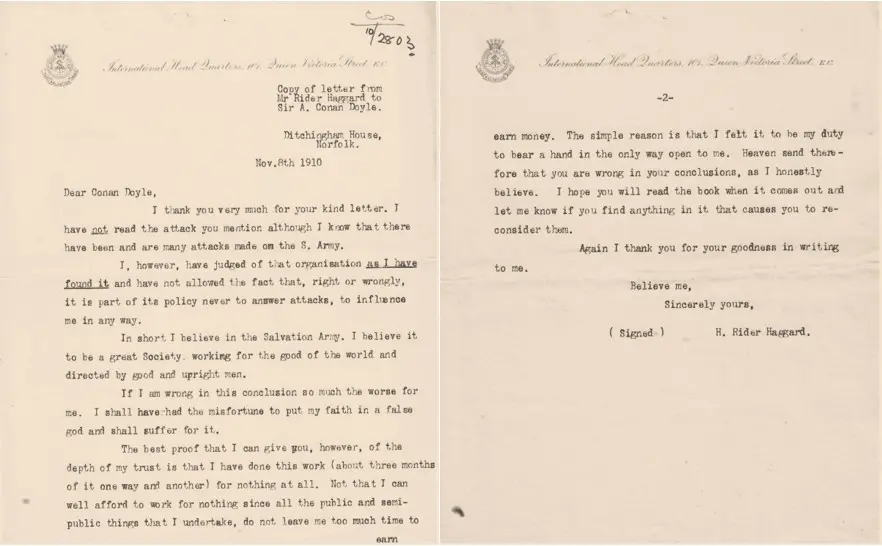
H. Rider Haggard also had an interesting relationship with his literary contemporaries, including Arthur Conan Doyle. A 1910 letter from the archive shows a revealing piece of correspondence linking Haggard, Bramwell Booth, and Conan Doyle in a debate over The Salvation Army. The first page is a handwritten covering note from Haggard, in which he confidentially forwards a copy of his reply to Conan Doyle and indicates that he does not wish to add further comment. The following typed pages contain that reply in full, on The Salvation Army stationery, where Haggard firmly defends the organisation. He acknowledges ongoing criticisms, but stresses that he has judged the Army based on his own experience, ultimately affirming his belief in its integrity and social value. Haggard’s inclusion of the copy in correspondence with Bramwell Booth suggests the sensitivity and significance of the disagreement.
Today, H. Rider Haggard is remembered primarily as one of the pioneers of modern adventure fiction. Meanwhile, The Salvation Army remains one of the world’s largest charitable organisations, active in more than 130 countries. Their intersection illustrates something important about the Victorian period: literature, religion, and social reform were deeply connected. Writers were not only entertainers; many saw themselves as participants in public debates about the future of society. Ultimately, H. Rider Haggard’s association with General William Booth and The Salvation Army highlights that the divide between literature and social policy in the nineteenth century was far more permeable than is often assumed.
Rose
June 2026
Read other blogs from the Heritage Centre
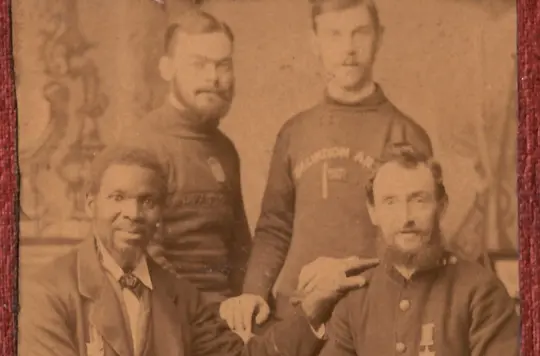
Guest blog: Black History Month 2025
This month our guest blog by Winette Field looks at the origins of Black History Month and some of the complexities of historical research
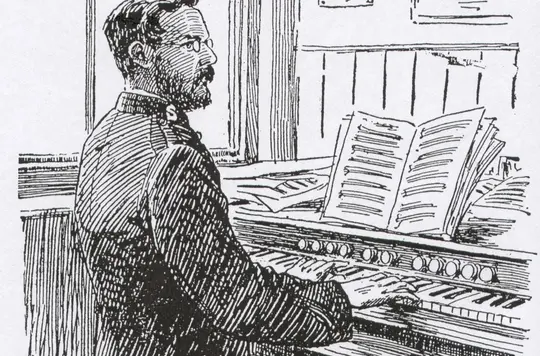
Richard Slater: The Army's ‘Song Writer Number One’
Our latest guest blog by Dr Gordon Cox is an introduction to Slater and his songs.
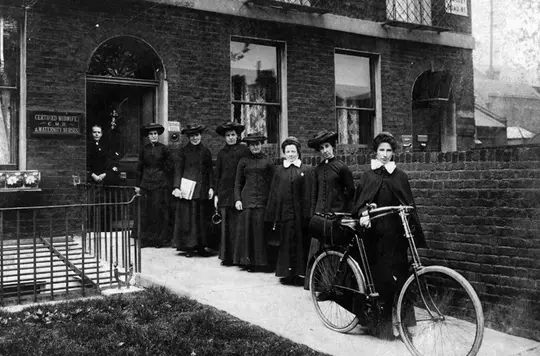
Call the (Salvation Army) Midwife
In 1894, Salvation Army midwives began providing maternity services to mothers in their own homes in the East End of London
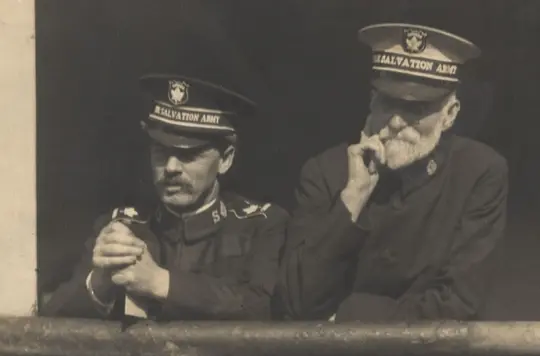
The Empress of Ireland
Many Salvationists lost their lives in the worst peacetime maritime disaster in Canadian history