What We Do
International Development UK
The Salvation Army International Development UK works alongside communities around the world to defeat poverty and injustice.
Our international work is divided into five themes: Anti-Trafficking, Clean Water, Emergency Response, Food Security, and Women and Girls.
Areas of Work
Anti-Trafficking
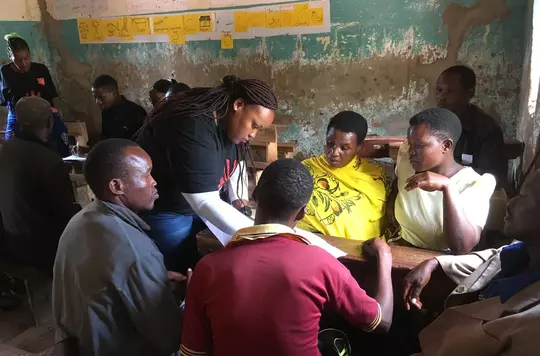
Working through prevention, protection and partnership to tackle human trafficking and support survivors.
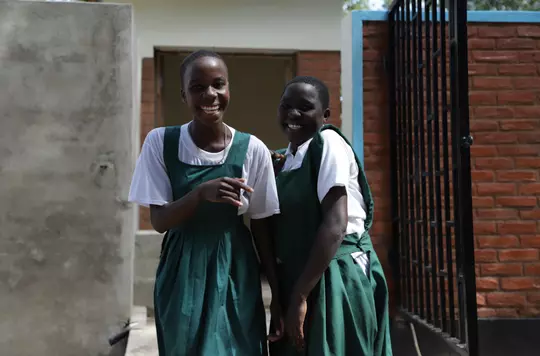
Clean Water
Working alongside communities to improve access to clean water and improved sanitation.
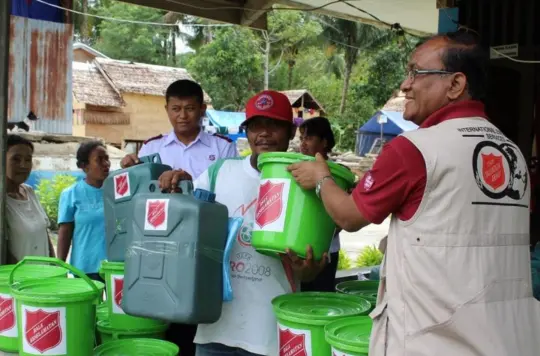
Emergency Response
Responding to disasters and emergency situations to provide immediate support and relief.
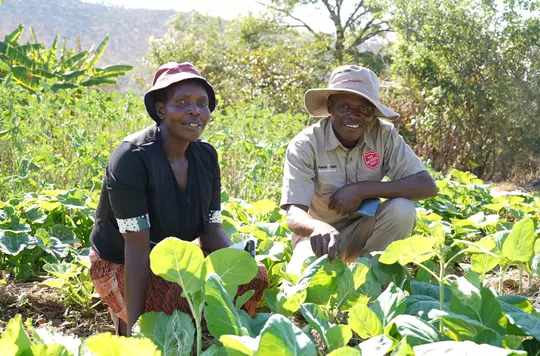
Food Security
Working alongside communities to overcome food insecurity
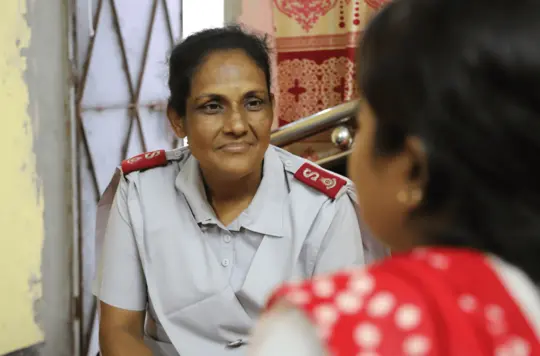
Women and Girls
Working with women to pursue gender justice and address inequality.
News and Stories
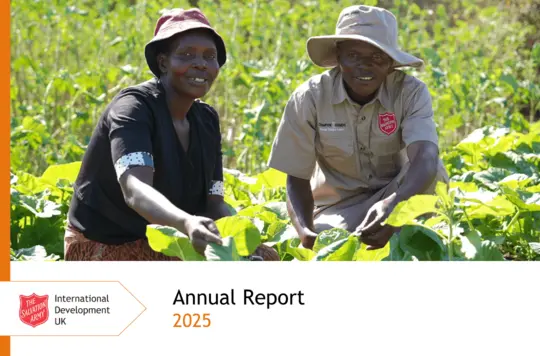
Rainwater Harvesting for Improved Health (Mbeya Region, Tanzania)
For many families across rural Tanzania, access to safe water, sanitation and hygiene remains one of the greatest challenges to health, education and livelihoods. Around four million people lack access to safe drinking water, while approximately 30 million do not have access to improved sanitation. The consequences are severe, with preventable waterborne diseases placing a heavy burden on families, schools and health services. Women and girls often spend hours each day collecting water, while health facilities face significant challenges in maintaining safe standards of care.
Through its Water, Sanitation and Hygiene (WASH) project, The Salvation Army in Tanzania is working alongside communities, schools and corps (churches) across Mbeya Region to address these challenges and improve access to clean water.
One of the facilities supported through this project is Lola Dispensary. For years, unreliable access to water has impacted almost every aspect of healthcare delivery. During the dry season, acute water shortages made it difficult to maintain essential hygiene standards and disrupted the delivery of healthcare services.
To address this need, The Salvation Army installed a rainwater harvesting system at the dispensary. By capturing and storing rainwater, the system provides a reliable source of clean water throughout the year.
According to Dr Leonard Mfugale, who oversees health service delivery at the dispensary, the new water system has made a significant difference:
Reliable access to water has strengthened infection prevention and control across the facility. Health workers can now maintain proper hygiene standards, sterilise equipment more effectively, clean treatment areas thoroughly and provide safer care for patients. This is particularly important for mothers, newborn babies and young children, who make up a large proportion of those attending the dispensary.
The system has also been designed with long-term sustainability in mind. The rainwater harvesting tank will serve as a storage reservoir for water from the planned Lola borehole once it becomes operational. Together, these two water sources will help ensure a continuous water supply, even during periods of drought or increased demand.
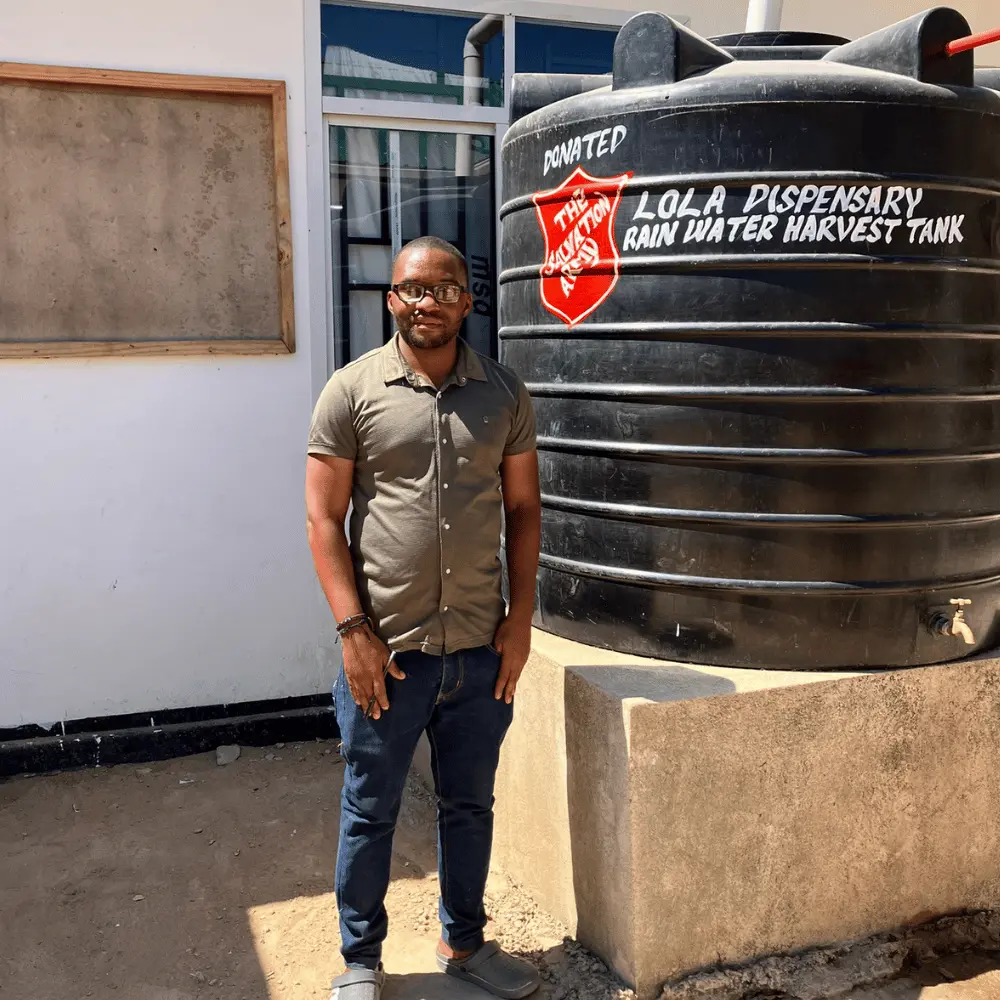
Reflecting on the wider significance of the project, Dr Mfugale said:
‘Water is at the heart of quality healthcare. This investment has improved not only the services we provide today but also our ability to continue serving our community safely and effectively in the future.’
The story of Lola Dispensary demonstrates how investment in water, sanitation and hygiene can strengthen rural health systems and impact entire communities. By ensuring reliable access to clean water, the project is improving patient safety, enhancing the quality of healthcare services and contributing to healthier, more resilient communities.
More stories