Salvation Army warns Brits still trapped in slavery
published on 14 Oct 2025
New figures released today by The Salvation Army show that for the fifth year in a row, British nationals are the second largest group accessing the specialist support it provides for adult survivors of modern slavery through the Government’s Modern Slavery Victim Care Contract in England and Wales.
In total, 2,409 potential victims of modern slavery - representing more than 100 different nationalities and varying backgrounds and experiences - entered The Salvation Army’s support services in the past year - 332 fewer than the year before.
The Salvation Army believes the downturn in referrals is linked to survivors’ fear that they will be treated as criminals rather than victims – particularly those trafficked into the UK or foreign nationals exploited while here. At the same time, inconsistent training for First Responders (professionals like the police and local authorities responsible for identifying and referring survivors) means too many people remain invisible and unable to access life-saving help.
The latest figures from The Salvation Army’s annual report*3, released to mark Anti-Slavery Day, show that of the 2,409 people who entered its support services:
- 65% of survivors had experienced forced labour.
- 20% were sexually exploited.
- 10% faced criminal exploitation.
- 8% endured domestic servitude.
- 57% identified as male, 43% as female, and less than 1% as transgender.
- Over 100 nationalities were represented, with Vietnamese, British and Eritrean among the most common.
- 792 children accompanied their parents, showing the devastating impact on families.
Since 2011, The Salvation Army and its partners have supported 26,974 survivors to begin recovery and rebuild their lives.
Kathy Betteridge, The Salvation Army’s Director of Anti-Trafficking and Modern Slavery said:
“Criminals prey on vulnerability. They groom and coerce people - adults and young people alike - into situations where they feel trapped and powerless. Exploitation can happen to anyone, anywhere, and we see first-hand the devastating impact it has on people’s lives.
“We are deeply concerned that victims are being silenced by fear and left in the shadows. Modern slavery is a human rights abuse, not an immigration issue and every survivor deserves to be treated with dignity and compassion.
“With the right support, even those most broken by trauma can rebuild their lives. That’s why it is vital that the Government, public services and the public play their part to ensure victims can be identified, protected and given the chance of recovery.
“Modern slavery remains a widespread problem in every town, village and city. We are determined to reach those still trapped and are calling on the public to report anything suspicious they may spot around them. Be the eyes that save lives.”
Emmerdale storyline
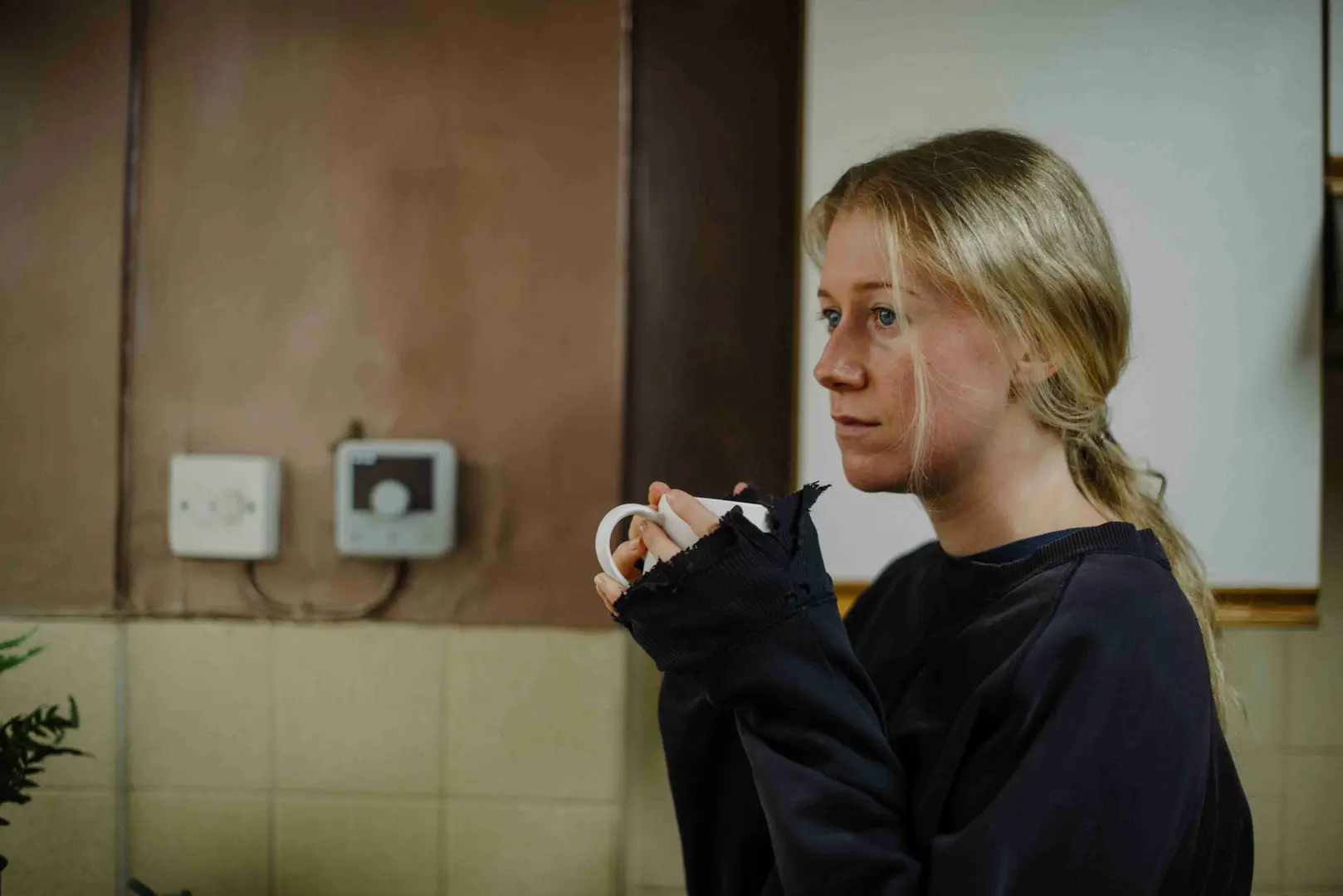
The Salvation Army has been working with Emmerdale bosses on a hard-hitting modern slavery storyline in the hope that it will encourage people trapped in real life to seek help and to raise public awareness so more people can spot the signs.
Characters April and Dylan, played by Amelia Flanagan and Fred Kettle respectively, were manipulated into a dangerous cycle of crime under grooming, threats psychological control of trafficker, Ray, played by Joe Absolom.
Emmerdale producer, Laura Shaw, said:
"We have been extremely grateful for the support we have received from The Salvation Army. Not only for the county lines drug story that we have been telling with April and Dylan. But another story that will soon be hitting our screens. The Salvation Army have given Emmerdale invaluable help with the portrayal of these shocking yet prevalent situations in our society.”

As the Government’s delivery partner since 2011, The Salvation Army and its network of subcontractors provide survivors with a full range of support including safe accommodation, counselling, medical care, legal advice and tailored life-skills programmes. The charity consistently achieves strong outcomes for survivors:
- 95% of people moving on from its services have their own place to live.
- 98% receive a personalised recovery plan within five days.
- 91% rate their support as good or very good.
Support is holistic, combining safety, trust, choice and opportunities for survivors to rebuild confidence and independence, with added strength of The Salvation Army’s highly trained volunteers, national and international networks of community resources and specialist services and a dedicated Survivor Support Fund.
Survivor Rohina*, who worked in factories and in the community as a care worker all the while ruthlessly exploited by criminals profiting from her work shared her story:
“I don’t want anyone else to go through what I went through.”
As a student Rohina initially found legitimate work to help with her living costs, but traffickers exploited her. She was drugged, raped, blackmailed, and coerced to work for little or no money with her documents, wages and freedom controlled.
Rohina lived under constant fear of violence and threats against her family until she was referred to The Salvation Army who placed her in a safe house where she finally found safety, care and respect. With counselling, medical help, and guidance from her support worker, she began to heal and rebuild her life. She has since taken part in employability programmes, gained new skills, and found opportunities to volunteer and contribute her voice as a survivor consultant. She said:
“The Salvation Army gave me safety, hope, and a future I never thought possible. I still have nightmares, but now I have a future. They’ve helped me feel like a human being again. I am now stronger and more independent — I will never be exploited again.”
Read the full Modern Slavery 2025 report and more information about The Salvation Army’s support for survivors.
