Overdose antidote should be as common as first aid kits
published on 17 Oct 2025
The Salvation Army says thousands of lives could be saved if an overdose antidote were as common as first aid kits. New figures on drug deaths in England and Wales published today by the Office for National Statistics (ONS) show a continued increase in annual deaths(1).
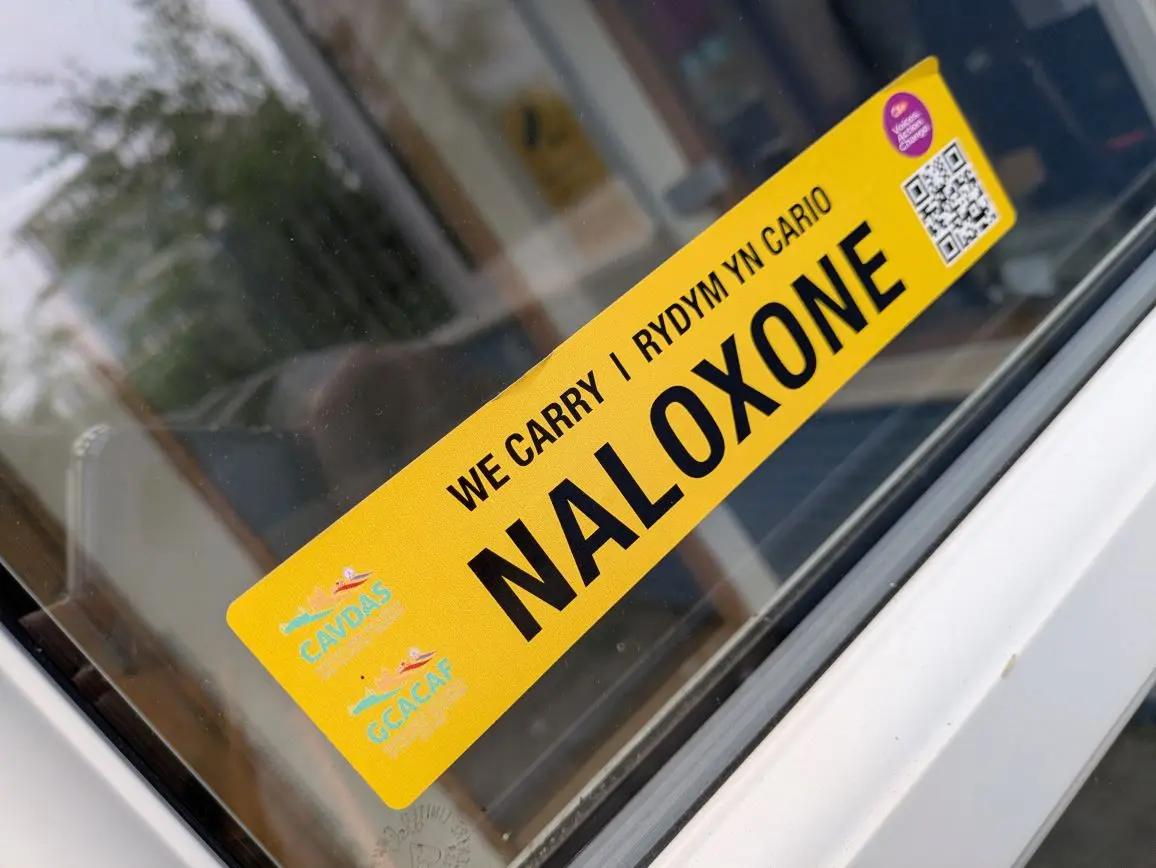
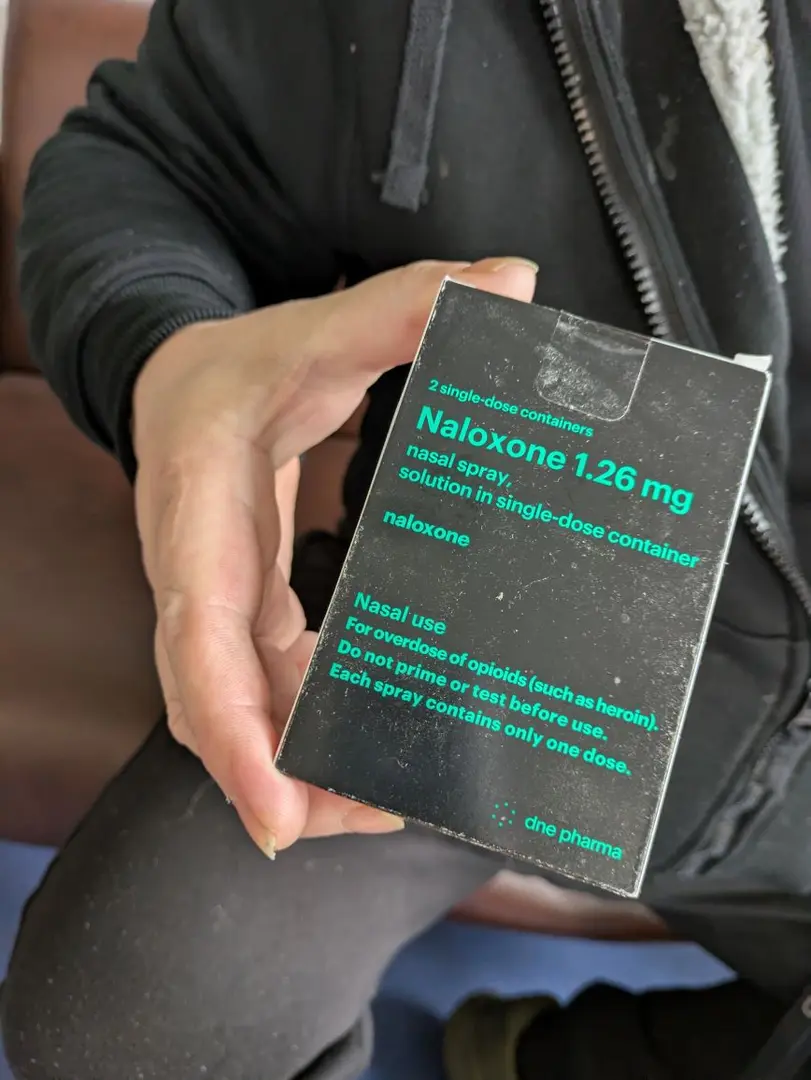
The Salvation Army’s recommendations on use and availability of naloxone, which can temporarily reverse the effects of opioids such as heroin, are included in a report ‘Naloxone: A Life-Saving Opportunity’. The church and charity is calling on the UK Government to treat the rise in drug deaths as a public health emergency and for politicians in London and Cardiff to make naloxone readily available in public spaces such as transport hubs and shopping centres.
Available as a nasal spray or injection, naloxone buys time for emergency services to respond when someone has overdosed on opioids. It is safe, effective and easy to use, helping reduce drug-related deaths. The Salvation Army issued 447 naloxone kits last year (2024-25) in its services across the UK.
The Salvation Army’s Director of Addictions, Lee Ball, said:
“Our harm reduction approach addresses the causes and consequences of addiction, and together with our use of naloxone, saves lives. Our services in England and Wales have seen a 71% reduction in overdose deaths in the last five years(3). Across the UK naloxone was used in 90 percent of overdoses within our services, and I would like to see naloxone as widely available in Britain as first aid kits are currently.
“Every death from drugs is a tragedy that can and must be prevented. A harmful addiction is not a lifestyle choice or a moral flaw, it is a life-threatening chronic health condition and should be treated as such. If any other health issue saw deaths nearly double within just a decade it would have been declared a public health emergency.”
The figures released today by ONS show 5,565 deaths related to drug poisoning in England and Wales in 2024 up from 5,448 deaths the previous year. That continues the rise seen every year since 2012. Deaths involving Nitazenes, synthetic opioids, were four times higher and Opioids were involved in just under half (47.1%) of all drug-poisoning deaths. The Salvation Army estimates that heroin and potent synthetic variants could kill more than 20,000 people in the UK over the next five years(2).
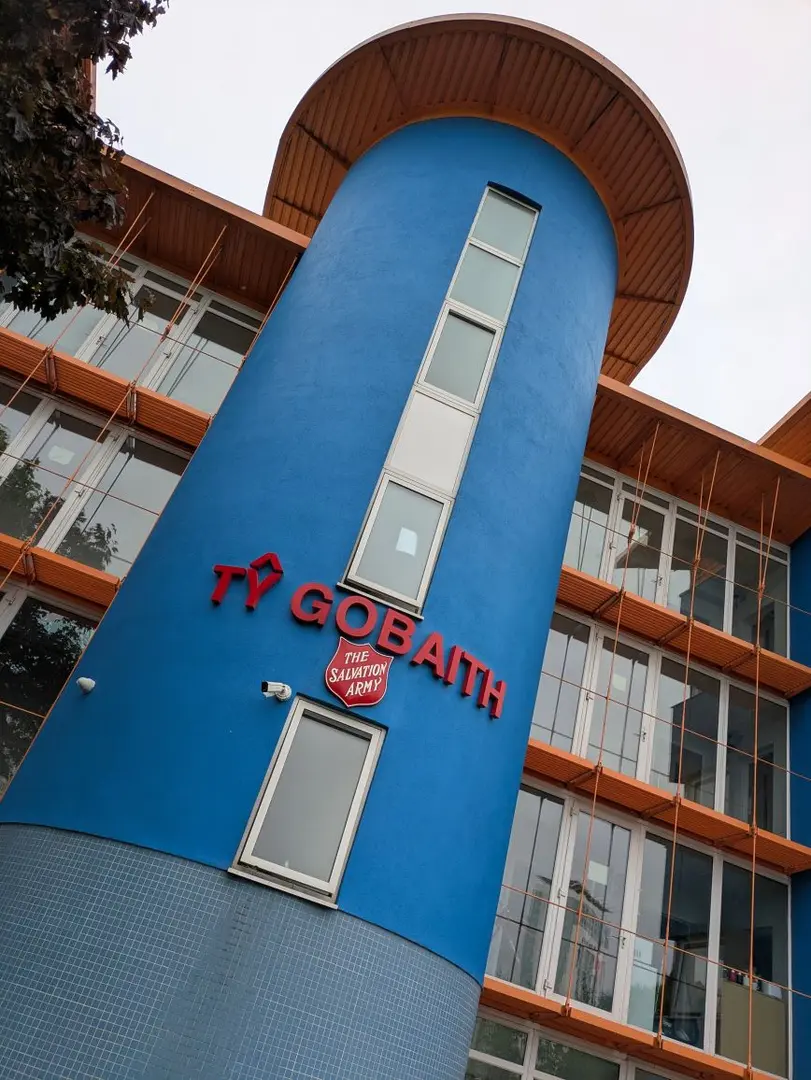
Supporting the call to make naloxone widely available is Martin Davies, 47, who lives at The Salvation Army’s Ty Gobaith Lifehouse in Cardiff. Martin has experienced homelessness many times in his life and substance use in the past. He now trains people in the use of naloxone.
Martin said:
“It would be good to see a box containing naloxone placed near defibrillators on streets near shops and pubs as well as bus and train stations. Otherwise, people who could easily be saved with this kit will continue to die. We do our best with trips to homeless shelters and hostels around Cardiff to train staff and residents. I’ve trained more than one hundred people, including people working in shops in the city centre. Staff here at the Lifehouse tell me they are proud of me because of all the lives that have been saved by the people I have trained.”
Natasha Williams is an Active Treatment Worker for Dyfed Drug and Alcohol Service in Llanelli. Every Thursday, Natasha and her team travel to The Salvation Army in Carmarthen to hold an addiction’s drop-in session.
Natasha said:
“One of the things that is good about The Salvation Army drop-in is that people can come to get a naloxone kit from us. We do the training with them and issue a kit on the spot. We have trained the police in Carmarthen and other services as well and try to get the word out about naloxone as much as we can.”
The Salvation Army believes with the police and other emergency services usually being the first responders in an emergency, equipping all those on the frontline of public services to use naloxone would save many lives.
