Women's Social Work
Women's Social Work
The Salvation Army’s formal social work in the UK traces its origins back to 1883 when Victoria House Rescue Home opened in Glasgow. At round this time, Elizabeth Cottrill, a soldier of Whitechapel Corps, also took an interest in girls from the streets who had been converted. She took them home, fed and clothed them. In 1884, the work moved to a house in Hanbury Street, Whitechapel, which became the second Salvation Army rescue home.
In 1885 Josephine Butler, a campaigner for women’s rights, wrote to Florence Booth concerning the sale of young girls into sex work. Florence, as pioneer leader of The Salvation Army’s Women’s Social Services, had gained an insight into the lives of young female sex workers. Through this, the practice of trafficking girls for ‘immoral purposes’, both in the UK and overseas came to the attention of The Salvation Army. With their help W T Stead, editor of the Pall Mall Gazette investigated these claims and published his findings in his newspaper as a series of sensational articles – ‘The Maiden Tribute of Modern Babylon’ - in July 1885. Just weeks later the law was changed, raising the age of consent from thirteen to sixteen years.

Some girls who sought help in Salvation Army rescue homes were pregnant, which led to the opening of maternity homes. Such was the demand for maternity care for unmarried girls, that in 1888 a maternity hospital was opened in Hackney. The successor to this hospital was known as The Mothers’ Hospital. By the time it closed in 1986, 124 000 babies had been born there, and 3000 nurses had been trained in its Midwifery Training School.

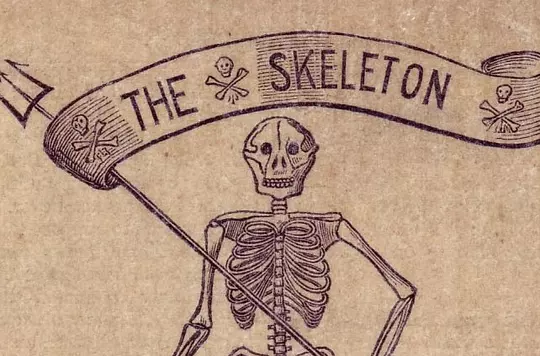
Opposition
Find out about opposition to The Salvation Army’s expansion in the Victorian era.
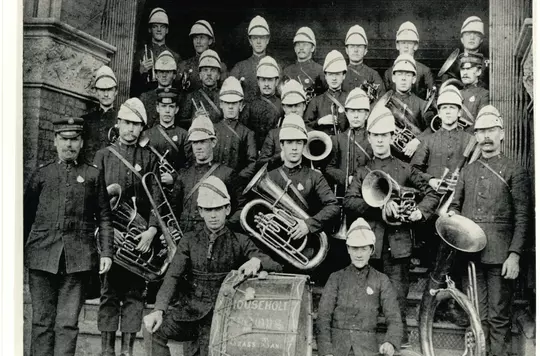
Music
Find out about the role that music and song plays within The Salvation Army.
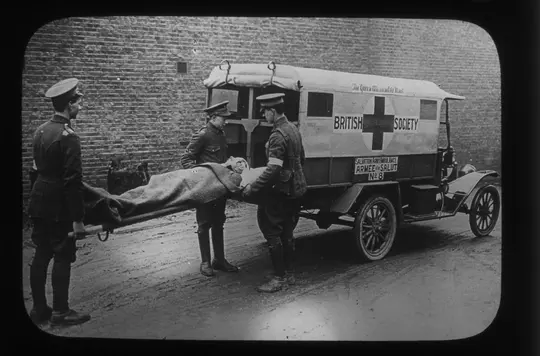
War and emergency
Find out about The Salvation Army’s relief work around the world.
A global army
Find out about The Salvation Army’s early growth into a worldwide movement.