
Slum and Goodwill Work
Slum and Goodwill Work
By the mid-1880s it was felt that ordinary Salvation Army corps evangelism was not reaching the most deprived slum residents and so new slum posts began to be established. The ‘Cellar, Gutter and Garret Brigades’, groups of female cadets from The Salvation Army Training Home, were the pioneers of this work. Sent to live in London’s slums, they offered spiritual and practical assistance to local residents, undertaking visitation, cleaning, nursing and childcare as well as advocating temperance and preaching the message of Jesus.

Whitechapel and Stepney were among the first areas to have Salvation Army slum posts. Later, a training centre for slum officers opened on Hackney Road, and other posts were established in Bethnal Green, Bow, Shadwell and Limehouse.
As well as supporting women in the east end, Slum Sisters would travel with east enders to Kent for the hop-picking season and provide childcare and canteens at the hop pickers’ camps. They also helped to organised trips to the country and seaside for children and ‘worn-out’ mothers.

In the 1940s Salvation Army slum posts began to be known as goodwill centres. Most of The Salvation Army’s London slum posts were destroyed or damaged in the Blitz; however officers continued to serve their communities in this way until 1998 when the goodwill centres were closed in favour of centralised work at local corps.
Opposition
Find out about opposition to The Salvation Army’s expansion in the Victorian era.
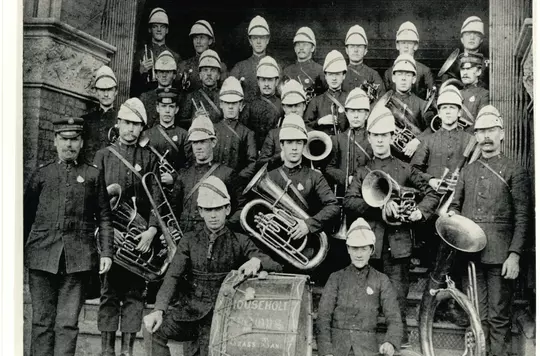
Music
Find out about the role that music and song plays within The Salvation Army.
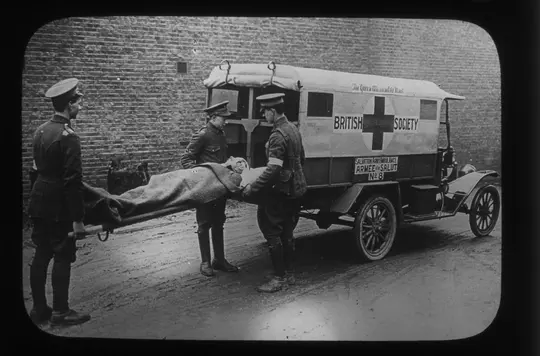
War and emergency
Find out about The Salvation Army’s relief work around the world.
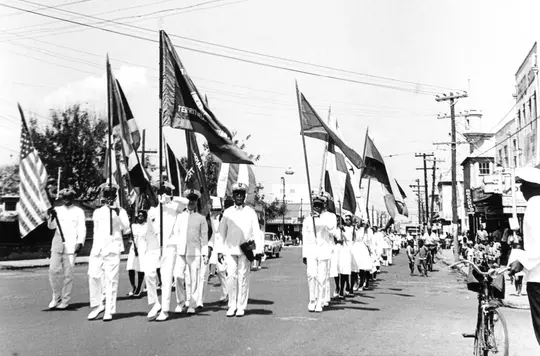
A global army
Find out about The Salvation Army’s early growth into a worldwide movement.