
Men’s Social Work
Men’s Social Work
On 23 February 1888 The Salvation Army opened a food depot in Limehouse to sell soup and bread to men for a farthing. As well as providing nourishment, this site offered shelter for the night and was The Salvation Army’s first hostel for men. A second of its kind was soon to follow. In 1889 what had previously been the Whitechapel corps headquarters was transformed initially into a food depot and then a food shelter with space for 100 men.


In the 1890s new institutions called elevators were developed, the first being Hanbury Street Elevator. This became one of four central London elevators where destitute men could find paid work that helped them to re-establish (or ‘elevate’) themselves and subsequently re-enter external employment. The main occupation undertaken in the elevators was paper sorting and recycling but other tasks also included rag sorting, carpentry, wood cutting and weaving.

To help further with finding jobs The Salvation Army also set up the world’s first free labour exchanges.

Opposition
Find out about opposition to The Salvation Army’s expansion in the Victorian era.
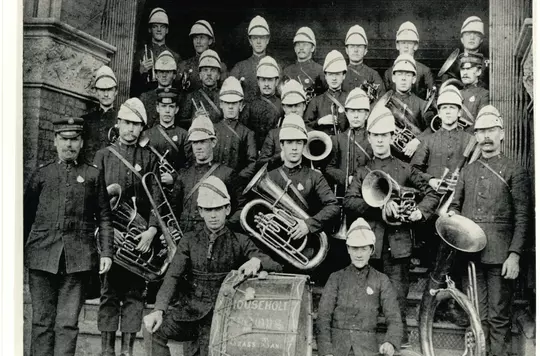
Music
Find out about the role that music and song plays within The Salvation Army.
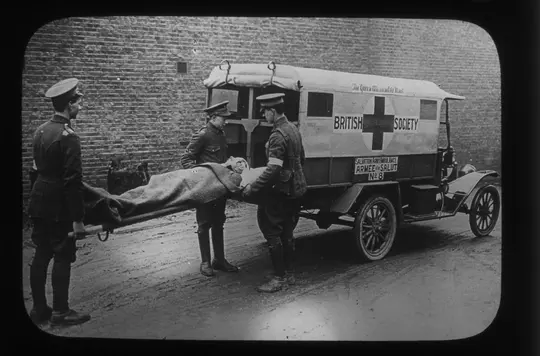
War and emergency
Find out about The Salvation Army’s relief work around the world.
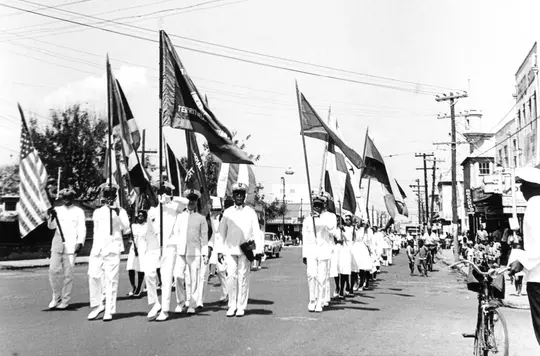
A global army
Find out about The Salvation Army’s early growth into a worldwide movement.